

Check the Effective Result
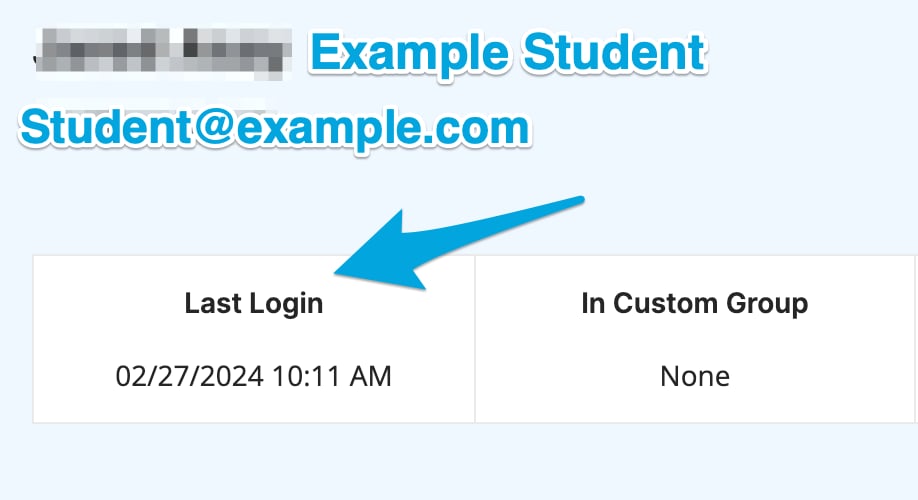
- Look up the student’s account in GoGuardian Admin by name or email. Check the Last Login field. If the student does not appear or the last login date is not recent, the GoGuardian extension may not be installed or the student may not be signed in to their managed account. GoGuardian Admin filtering applies only to managed user accounts with the GoGuardian extension (or app) installed and active. If your organization deploys extensions through Google Admin Console, verify that the extension is deployed correctly using Enable GoGuardian in Google Admin Console. For other deployment types, contact GoGuardian Support.
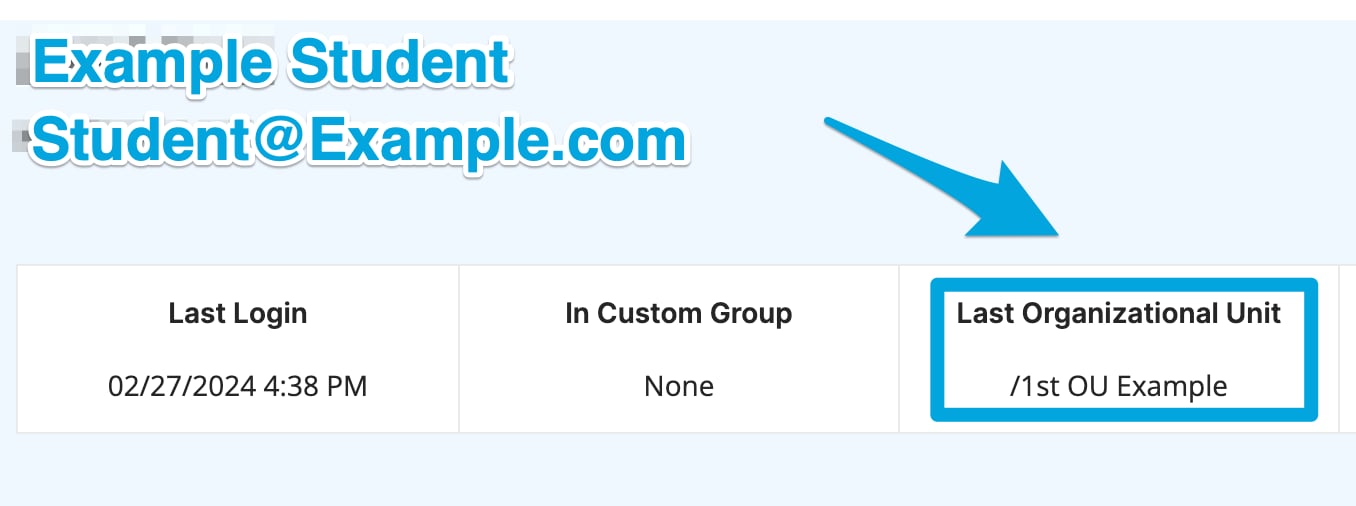
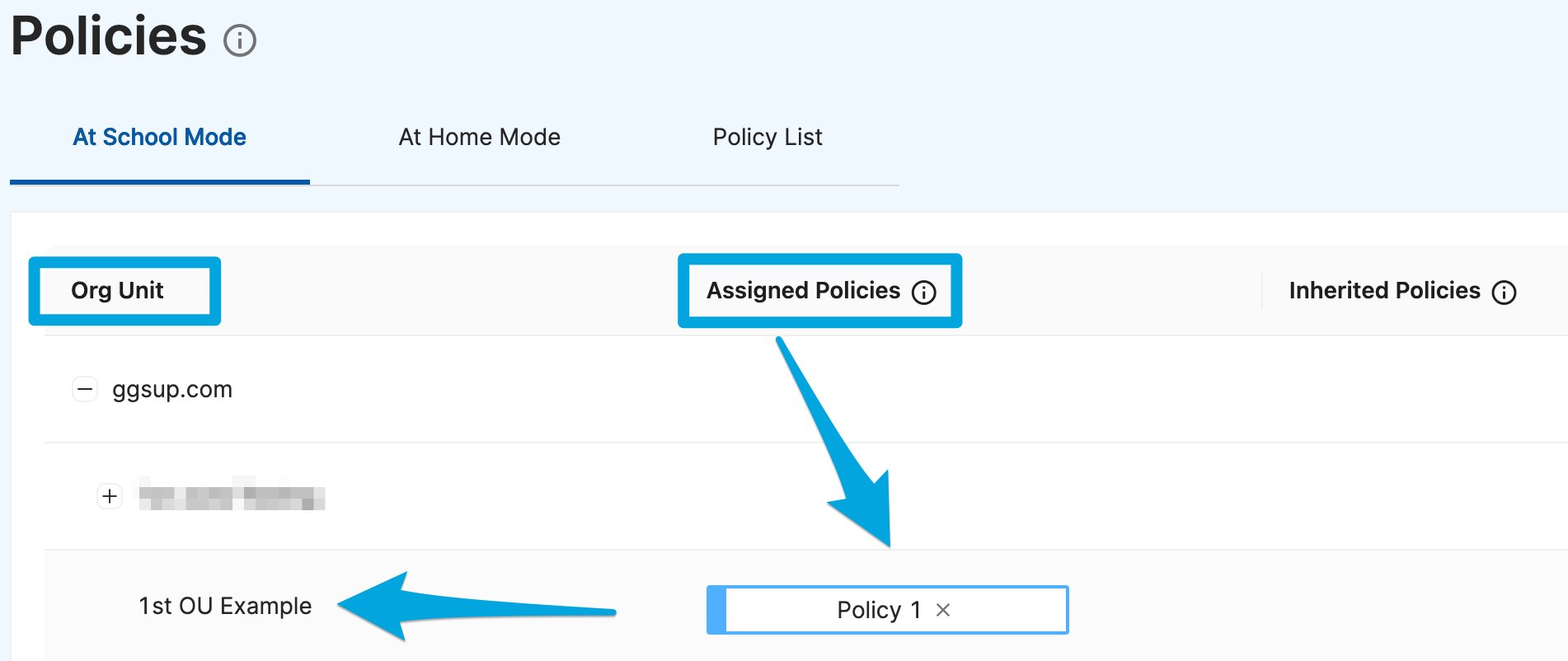
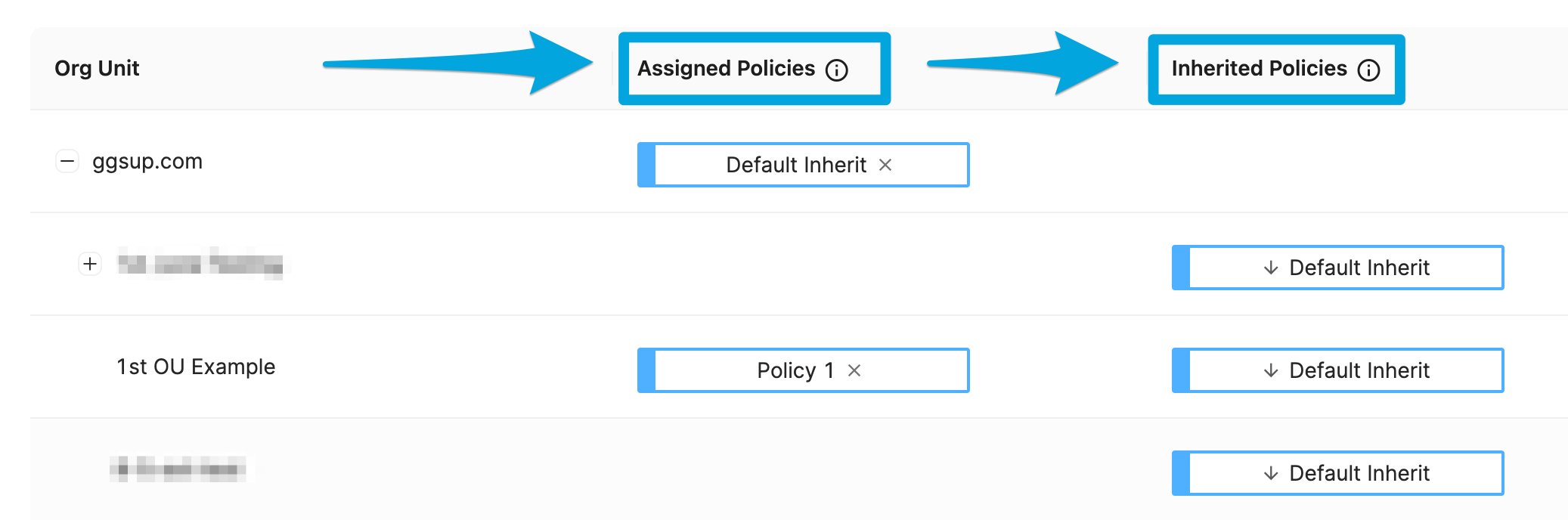
- Find the student’s account and note their Last Organizational Unit. Go to Filtering > Policies and check whether an Assigned or Inherited policy covers that org unit. If no policy is applied, assign a policy to the student’s org unit, or to a parent org unit so the policy is inherited downward. See Understand Filtering Policies for guidance on policy assignment.
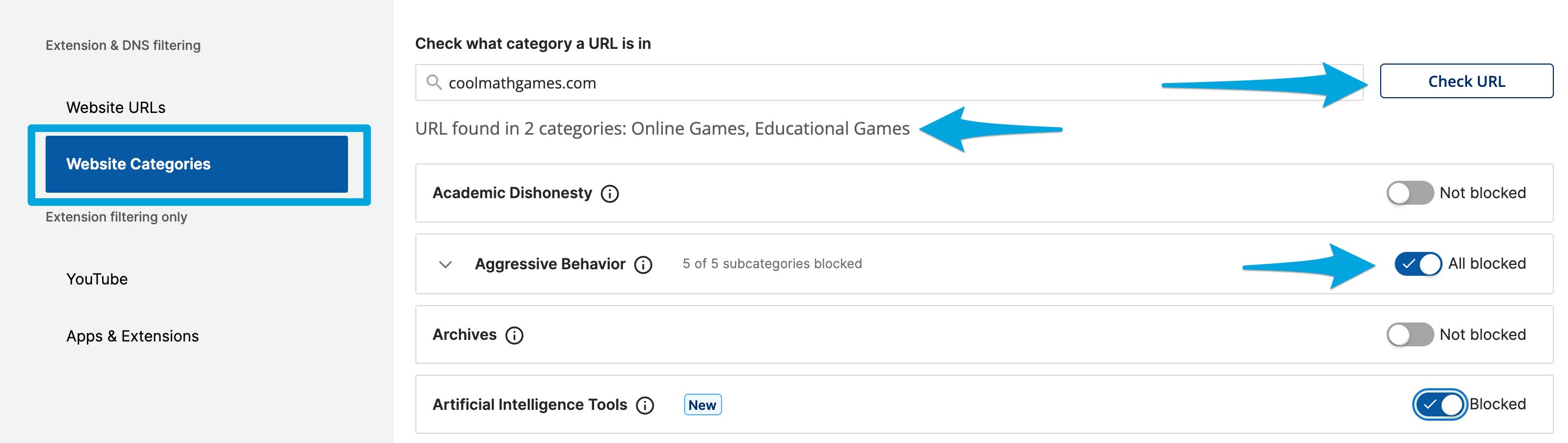
- Open the policy applied to the student’s org unit. In the Website URLs section, confirm that a block rule exists for the domain. Check whether a wildcard rule is intended to block the site and review Filter with Wildcards to confirm the pattern covers the URL in question. To check category-based blocking, go to the Website Categories section and enter the domain in the Check URL field. Confirm that the category or sub-category assigned to that site is set to Blocked.
-
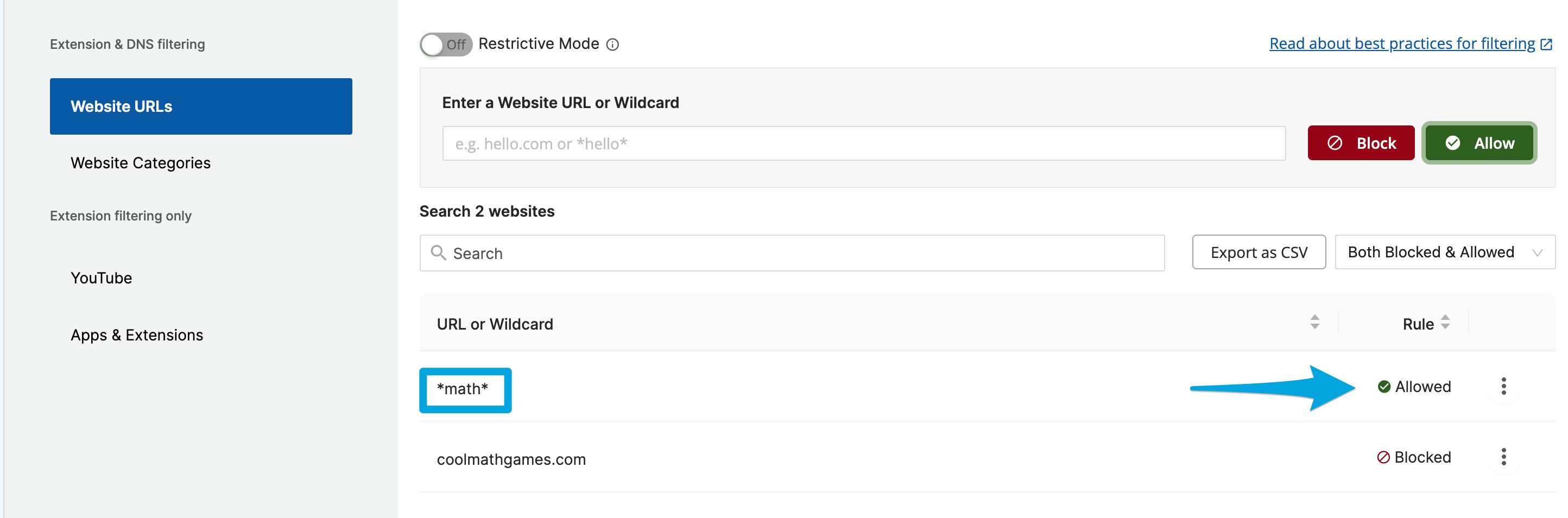
In a single-policy setup, an explicit allow rule for a URL or domain overrides any block rule for the same site. In the Website URLs section of the policy, confirm that the domain is not listed with an allow action and that no wildcard allow rule matches any part of the URL.
Wildcard allow rules apply to the full URL string. A rule like
*math*will allow access to any URL that contains “math,” including a domain that is also listed with a block rule. Remove or narrow the allow rule to restore the block.
- When two or more policies at the same precedence level apply to the same org unit, an allow rule in one policy overrides a block rule in another. Find the student’s org unit on the Filtering > Policies page and check whether multiple policies are assigned or inherited at the same level. Note that Assigned policies carry higher priority than Inherited policies at the same org unit. An allow rule in an Inherited policy does not override a block rule in an Assigned policy. Two policies are not at the same precedence level just because both are labeled Inherited: check which parent OU each is assigned to. A policy from the closer OU takes precedence over one from farther up the hierarchy. See Understand Policy Precedence for the full priority order. As a best practice, keep Default and Inherited policies less restrictive and apply more specific filtering rules at the Assigned level. This makes it easier to reason about which rules are active for a given org unit and reduces the chance of an allow rule in a lower-priority policy unexpectedly permitting access to a site you intend to block.
-
At Home Mode applies a separate set of filtering policies when students are off campus or outside configured school hours. If At Home Mode is enabled and a student is currently in an At Home state, they receive the At Home filtering policies instead of the in-school policies.
GoGuardian determines a student’s At Home or At School status based on two factors: whether the current time falls within the configured In School Hours window, and whether the device’s network IP address falls within the configured School IP Range. Both conditions must match for a student to be treated as At School. If either condition is not met, the student receives At Home filtering.
Go to the At Home Mode filtering section to review which policies apply outside school hours and whether those policies allow the site in question. Super Users can review or update At Home Mode settings in manage.goguardian.com under Configuration > Products.
GoGuardian checks a student’s At Home or At School status every 15 minutes. If a student puts their device to sleep while in an At Home state, they may retain At Home filtering rules briefly when the device wakes up. This resolves on its own within a few minutes. The student can also enter
chrome://restartoredge://restartin the address bar to force an immediate update.Administrators can configure managed-device MDM policies, for example in Google Admin Console, to automatically sign users out when a device sleeps or the lid closes. This prevents a device from retaining a stale At Home or At School status after it wakes. Consult your MDM documentation for the relevant session or sign-out policy setting.

- If your organization has configured a bypass password, students can use it to gain temporary access to blocked sites. Go to Advanced Config > Bypass Password Attempts in GoGuardian Admin and check whether the student has recently used a bypass password to access the site. Bypass password access is time-limited. When a student uses a bypass password, they receive access for a configured duration that can be set in minutes, hours, or days, not permanently. After the configured period expires, the site is blocked again under the active filtering policy. If bypass passwords are being used more broadly than intended, review your bypass password configuration in Configure Bypass Passwords and consider updating or removing passwords that are no longer needed.

Identify Common Causes
Know When to Escalate
- The policy shows a block rule for the site but the student can still access it after the policy is confirmed and saved
- The issue occurs only on a specific device, platform, or network
- At Home Mode settings appear correct but the student is receiving the wrong filtering policy
- You cannot determine which policy is active for the student’s org unit
Resources
Understand Filtering Policies
Review the policy structure before making changes to block or allow rules.
Understand Policy Precedence
Use this page when overlapping policies may be causing a conflict.
A Site Is Blocked Unexpectedly
Use this troubleshooting page for the inverse problem, when a site is blocked but should be allowed.
Configure Bypass Passwords
Review bypass password settings and activity if students are gaining temporary access to blocked sites.